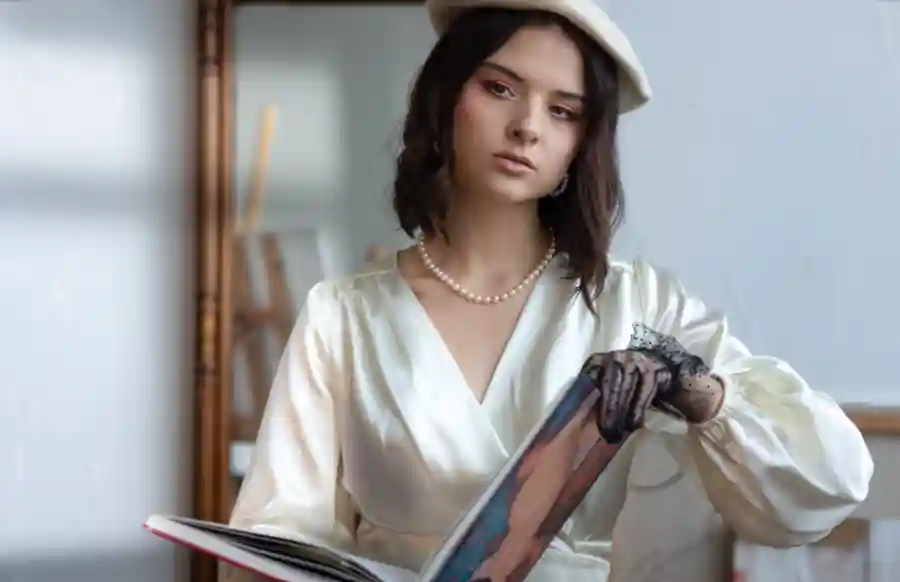
The old money aesthetic represents a form of luxury that feels calm, deliberate, and deeply rooted in tradition. It does not chase trends or rely on loud visuals to make an impression. Instead, it reflects confidence that comes from consistency and refinement. This style values balance, subtlety, and long-term thinking rather than instant attention. People drawn to this aesthetic often seek stability in their appearance and presence. They want their clothing to feel appropriate in any setting. That quiet confidence is what makes this aesthetic feel timeless. Unlike trend-driven fashion, the old money aesthetic focuses on clothing that supports identity rather than defining it. Every piece feels intentional without appearing calculated. Outfits look natural and effortless, never forced or overly styled. This approach allows personal style to mature gracefully over time. The appeal lies in its restraint and reliability. When fashion feels calm, confidence follows naturally. That is why this aesthetic continues to resonate across generations.
What the Old Money Aesthetic Truly Represents
At its core, the old money aesthetic is about values rather than visuals. It reflects discipline, patience, and respect for quality craftsmanship. This style emerged in environments where wealth was inherited and did not need to be displayed. Clothing became a tool for blending in, not standing out. Pieces were chosen for longevity and function rather than novelty. That mindset still defines the aesthetic today. It promotes thoughtful consumption and intentional living. The old money aesthetic also represents emotional maturity in dressing. It avoids impulse purchases and trend-based decisions. Instead, it encourages a calm relationship with fashion. Clothing becomes an extension of character rather than a statement. When you dress this way, your appearance supports your presence instead of competing with it. This balance creates quiet confidence. That confidence is what separates timeless luxury from performative fashion.
The Historical Roots Behind the Old Money Aesthetic
The roots of the old money aesthetic trace back to aristocratic societies in Europe and elite families in early America. Dressing was shaped by tradition, social etiquette, and practicality. Clothing needed to last for years and remain suitable for various occasions. Fashion evolved slowly through refinement rather than reinvention. This created a style built on continuity and restraint. Over time, these principles became visual markers of timeless elegance. Generational wardrobes played a major role in shaping this aesthetic. Clothing and taste were passed down, reinforcing consistency in style. This continuity created a sense of identity tied to heritage rather than trends. Modern interpretations still draw heavily from these foundations. The influence of history remains visible in classic silhouettes, muted colors, and quality fabrics. That connection to the past gives the aesthetic its lasting strength.
How Aristocratic Dressing Shaped Timeless Style
Aristocratic dressing emphasized balance, proportion, and appropriateness. Clothing was designed to suit daily routines and formal settings without dramatic shifts. This required thoughtful tailoring and durable materials. Garments were made to fit well and endure repeated wear. That practicality shaped silhouettes that remain relevant today. The focus was always on refinement rather than experimentation. Because trends were not prioritized, style evolved naturally. Changes were subtle and purposeful rather than dramatic. This slow evolution created permanence in appearance. Today, adopting the old money aesthetic means embracing these same principles. It reflects a respect for tradition and an understanding that true elegance does not need constant change.
Why Tradition Still Guides Modern Luxury
Tradition continues to guide the old money aesthetic because it provides structure and clarity. In a fast-moving fashion world, tradition offers stability. It reminds people that good style does not need frequent updates. This mindset encourages long-term thinking and sustainable choices. Clothing becomes an investment rather than a disposable item. Modern luxury often borrows from this traditional framework while adding comfort and subtle updates. The core values remain unchanged. Quality, fit, and discretion still define what feels luxurious. This continuity allows the old money aesthetic to adapt without losing its essence. That is why it remains relevant in contemporary fashion.
Color Theory in the Old Money Aesthetic
Color plays a quiet yet powerful role in the old money aesthetic. Neutral tones dominate because they create harmony and visual calm. Shades like beige, cream, navy, gray, camel, and soft brown form the foundation. These colors blend effortlessly and never feel dated. They allow outfits to look polished without drawing attention. This subtle approach supports timeless elegance. Muted palettes also offer versatility across seasons and settings. They reduce visual noise and enhance cohesion. Bright or trendy colors are avoided because they date quickly. In the old money aesthetic, color supports the outfit rather than defining it. This restraint ensures longevity. When colors remain subtle, refinement naturally follows.
Fabrics and Materials That Define Timeless Luxury
Fabric quality is central to the old money aesthetic. Natural materials such as wool, linen, cotton, silk, tweed, and cashmere are preferred. These fabrics breathe well, drape beautifully, and improve with time. They offer comfort and durability that synthetic materials often lack. This focus on quality ensures clothing remains elegant for years. Texture replaces decoration in this aesthetic. Instead of embellishments, depth comes from weave and finish. A simple wool coat or linen shirt feels refined without added detail. This approach creates quiet luxury that never feels excessive. Investing in good materials supports longevity and timeless appeal.
Natural Textiles That Elevate Every Outfit
Natural textiles enhance both appearance and comfort. They respond well to movement and climate, making them practical for everyday wear. This functionality aligns with the old money aesthetic’s emphasis on ease. Clothing should support life, not complicate it. These fabrics also age gracefully. Over time, they soften and develop character. This evolution adds value rather than diminishing it. That is why natural materials remain central to timeless luxury style.
Why Texture Matters More Than Decoration
Texture adds interest without overwhelming the outfit. It creates richness through subtle variation rather than bold design. This keeps clothing refined and balanced. The old money aesthetic relies on this restraint. When texture is prioritized, clothing feels intentional and sophisticated. Decoration becomes unnecessary. This simplicity strengthens timeless elegance.
Silhouettes and Structure: Dressing with Intention
Silhouettes in the old money aesthetic are clean and balanced. Clothing follows the body naturally without clinging or exaggeration. This creates a polished look that feels comfortable. Structure exists, but it is never rigid. Intentional dressing means choosing shapes that enhance posture and movement. Tailored blazers, straight trousers, and structured coats define this style. These silhouettes remain flattering across decades. That consistency reinforces timeless luxury.
Building an Old Money Wardrobe from the Ground Up
Building an old money wardrobe requires patience and restraint. It is not about instant transformation. Each piece is added thoughtfully over time. This gradual approach creates cohesion and purpose. A curated wardrobe reduces clutter and increases versatility. When everything works together, dressing becomes effortless. This ease is one of the greatest strengths of the old money aesthetic. Confidence grows through consistency.
Core Clothing Pieces That Never Lose Relevance
Certain pieces form the foundation of timeless luxury style. Tailored blazers, crisp shirts, fine knitwear, structured trousers, and simple dresses remain essential. These items adapt easily to different occasions. Their simplicity allows repeated wear without fatigue. This reliability supports long-term style satisfaction. It also encourages sustainable fashion habits.
Why Fit Is the Ultimate Luxury
Fit transforms clothing more than any brand name. In the old money aesthetic, tailoring is essential. Proper fit enhances silhouette and posture. Tailoring allows even simple pieces to look refined. This reinforces the idea that luxury comes from care and intention. Fit remains the strongest indicator of elegance.
Footwear as a Signature of Refinement
Footwear anchors an outfit and reflects attention to detail. In the old money aesthetic, shoes are classic and understated. Styles like loafers, oxfords, and leather boots dominate.Neutral colors ensure versatility. Well-maintained shoes signal discipline and respect for craftsmanship. They quietly complete the look.