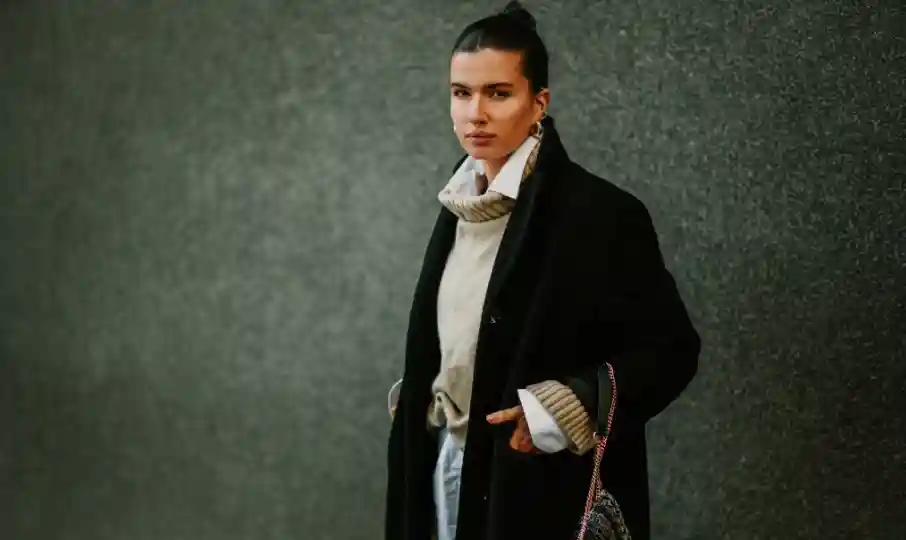
Old money fashion has remained relevant for generations because it is not built on trends or seasonal hype. It is rooted in simplicity, discipline, and refined taste that does not need constant updating. This style focuses on clothing that looks appropriate in almost any setting, whether casual or formal. Instead of chasing fashion cycles, it prioritizes balance, quality, and quiet confidence. The appeal lies in how effortless it feels. Nothing looks forced or overly styled. Every outfit feels intentional without appearing planned. This timeless quality is why old money fashion continues to attract people who want lasting elegance rather than short-term attention.
In today’s fast-moving digital world, fashion trends rise and fall quickly, leaving wardrobes feeling outdated within months. Old-money fashion offers a sense of calm and permanence in contrast to the chaos. It allows you to invest in pieces that remain relevant year after year. This approach saves time, money, and effort while creating a polished appearance. The style reflects maturity and self-awareness rather than a dependence on trends. When you dress this way, your clothing supports your presence instead of competing for attention. That is why old-money fashion is not just stylish but also deeply practical.
Understanding the Philosophy Behind Old Money Fashion
The philosophy of old money fashion is centered on restraint, tradition, and subtlety. It is not designed to impress strangers but to reflect inner confidence and stability. This style evolved in environments where wealth was inherited rather than displayed. As a result, clothing choices focused on longevity and appropriateness rather than bold statements. Pieces were selected carefully and worn repeatedly. This mindset still defines old money fashion today. It values consistency over experimentation and refinement over excess. Understanding this philosophy is essential before adopting the look.
Unlike modern luxury fashion, old money fashion avoids visible branding and exaggerated silhouettes. Logos is replaced by craftsmanship, and trends by timeless cuts. The focus remains on how clothing fits, feels, and functions. This philosophy encourages thoughtful consumption rather than impulsive buying. When you dress with this mindset, your wardrobe becomes cohesive and meaningful. Each item serves a purpose and complements the rest. Old money fashion is less about appearance and more about attitude, which is why it never feels outdated.
Building a Foundation That Reflects Timeless Style
A timeless wardrobe begins with a strong foundation built on thoughtful choices. Old-money fashion relies heavily on harmony and balance, which start with the basics. Before adding statement pieces, it is important to establish a consistent color palette and reliable fabrics. This foundation ensures that everything in your wardrobe works together naturally. When pieces blend effortlessly, getting dressed becomes easier and more intuitive. This is a key advantage of old money fashion. It reduces clutter while increasing versatility.
Choosing Neutral Colors That Always Look Expensive
Neutral colors play a central role in old money fashion because they create a sense of calm and sophistication. Shades like beige, cream, navy, gray, camel, and soft brown dominate this aesthetic. These colors do not compete with each other, allowing for endless combinations. They also age well and rarely go out of style. Wearing neutrals creates visual balance and makes outfits look more polished. This is why old money wardrobes rarely rely on bright or trendy colors.
Another benefit of neutral colors is versatility. A cream sweater or navy blazer can be worn in multiple seasons and settings. This reduces the need for excessive clothing while increasing outfit options. Neutrals also highlight fabric quality and tailoring rather than color intensity.
Fabrics That Signal Quiet Luxury
Fabric choice is one of the most important elements of old money fashion. Natural materials such as wool, linen, cotton, silk, tweed, and cashmere are preferred because they age gracefully. These fabrics breathe better, feel more comfortable, and maintain structure over time. They also reflect light differently, giving clothing a richer appearance. Synthetic fabrics often lack this depth and longevity, which is why they are avoided in timeless wardrobes.
Quiet luxury is communicated through texture rather than decoration. A wool coat or linen shirt does not need embellishment to look refined.
The Art of Curating a Classic Wardrobe
Curating a classic wardrobe requires patience and intention. Old money fashion is not built overnight. It evolves gradually through thoughtful additions and careful edits. Every piece should feel necessary and purposeful. Instead of asking what is trendy, the focus shifts to what will still look good years from now. This mindset helps create a wardrobe that feels cohesive rather than chaotic.
A classic wardrobe supports consistency. When clothing pieces align in style and quality, outfits feel natural and effortless. There is no need to constantly reinvent your look. Old money fashion values reliability and refinement. This approach reduces decision fatigue and builds confidence. When your wardrobe reflects timeless principles, dressing well becomes second nature.
Essential Clothing Pieces That Never Date
Certain clothing pieces have remained unchanged for decades because they work. Tailored blazers, crisp white shirts, fine knit sweaters, structured trousers, and simple dresses form the core of old money fashion. These items adapt easily to different occasions and seasons. Their simplicity allows for repeated wear without feeling repetitive. This is essential for building a sustainable wardrobe.
These pieces also provide flexibility. A blazer can elevate casual outfits or complement formal looks. A well-made sweater works alone or layered. This adaptability is why classic pieces are so valuable. They support long-term style rather than short-term trends. In old money fashion, reliability is more important than novelty.
Fit Over Fashion: Why Tailoring Is Non-Negotiable
Fit is one of the strongest signals of refinement. Even the most expensive clothing looks unimpressive if it does not fit properly. Old money fashion prioritizes tailoring because it enhances posture, silhouette, and presence. Clothing should follow the body naturally without clinging or hanging loosely. This creates clean lines that feel intentional.
Tailoring also allows affordable pieces to look luxurious. Simple adjustments can transform an outfit completely. This makes tailoring a smart investment regardless of budget. In old money fashion, attention to detail matters more than brand names. A well-fitted garment always looks polished and confident.
Incorporating Old Money Fashion Into Everyday Wear
Old money fashion is often misunderstood as formal or restrictive, but it works beautifully in daily life. The key is choosing relaxed versions of classic pieces. Comfortable fabrics, soft tailoring, and neutral colors make outfits approachable. This balance allows you to look refined without appearing overdressed.
Everyday old money fashion feels natural. It avoids excess and embraces simplicity. A knit sweater with tailored trousers or a crisp shirt with loafers feels effortless. These outfits support comfort while maintaining elegance. When style feels easy, confidence follows naturally.
Footwear That Completes the Old Money Look
Footwear plays a crucial role in old money fashion because shoes ground an outfit. Classic designs are preferred because they never feel out of place. Loafers, oxfords, leather boots, and ballet flats have endured for decades. Their clean lines complement refined clothing without distraction.
Shoes should blend into the outfit rather than dominate it. Neutral shades work best because they offer versatility. Well-chosen footwear enhances posture and presence. In old money fashion, shoes are subtle but powerful style indicators.
Classic Shoes That Define Polished Dressing
Classic shoes reflect restraint and discipline. Their design prioritizes function and durability over trends. These styles work across settings, from casual to formal. This adaptability makes them essential in a timeless wardrobe.
The simplicity of classic shoes allows them to age gracefully. With proper care, they develop character rather than wear out. This longevity aligns perfectly with old money fashion principles.
Quality Over Quantity in Shoe Selection
Owning fewer, better shoes supports sustainable style. High-quality shoes last longer and feel more comfortable. They also maintain structure and appearance over time. This reduces the need for constant replacement.
Proper care extends a shoe’s life significantly. Polishing, storage, and repairs preserve quality. This respectful approach to possessions reflects the old money mindset of valuing longevity over excess.
Conclusion: Creating a Wardrobe That Feels Effortlessly Refined
Incorporating old money fashion into your wardrobe is a gradual, intentional process. It begins with understanding the philosophy and building a strong foundation. By focusing on quality, fit, and restraint, you create a wardrobe that feels confident and enduring. Old money fashion is not about attention. It is about presence.