
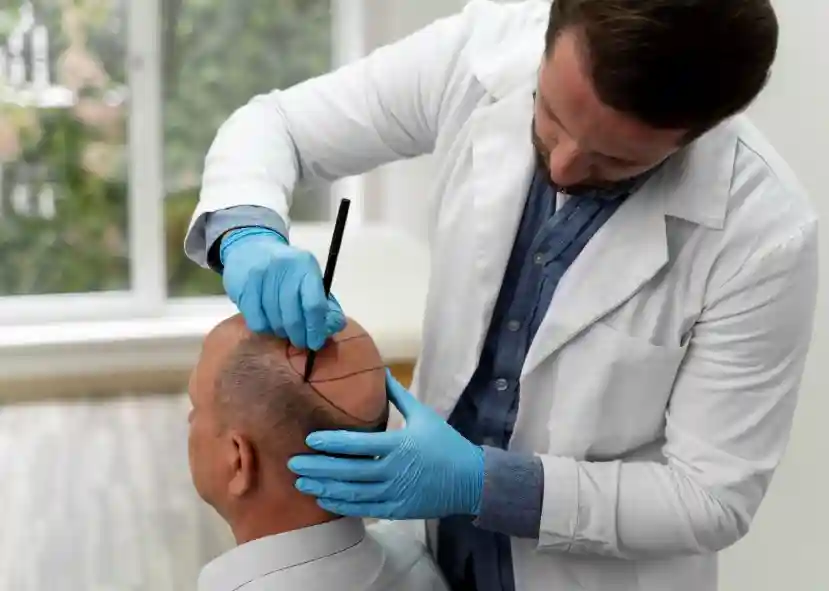
Hair loss affects people in different ways, but the impact often goes beyond appearance. It can change how you feel about yourself and limit your confidence in daily life. Many people try temporary fixes that offer little improvement or require constant upkeep.
This leads to frustration and uncertainty about what actually works. Hair restoration offers a more focused solution by addressing the root cause rather than covering it up.
Understanding how it works, what options are available, and what to expect helps you make better decisions. With the right approach, you can achieve natural-looking results that last.
What is Hair Restoration
Hair restoration refers to treatments that help regrow or replace lost hair. It includes both surgical and non-surgical methods depending on the cause and severity of hair loss. The goal is to restore a fuller appearance while keeping results natural.
A proper evaluation helps determine which method fits your condition. Factors such as hair type, pattern of loss, and overall health play a role in choosing the right approach.
Common Causes of Hair Loss
Hair loss does not happen for one single reason. Genetics is one of the most common factors, especially in pattern baldness. Hormonal changes, stress, and medical conditions can also contribute.
Poor nutrition and certain medications may weaken hair growth over time. Understanding the cause helps guide the treatment plan and improves the chances of success.
Early treatment helps preserve existing hair and increases the effectiveness of available options. Waiting too long may limit choices and require more advanced procedures. Regular checkups and early attention make it easier to manage hair loss before it progresses.
Surgical and Non-Surgical Options
Surgical methods offer long-term results. Procedures involve moving healthy hair follicles from one area of the scalp to another. These follicles continue to grow naturally after being transplanted.
This option works well for people with stable hair loss patterns. It requires careful planning to ensure even distribution and a natural hairline. Recovery time varies, but results improve gradually as new hair grows.
Not everyone needs surgery. Non-surgical options include medications and topical treatments that support hair growth. These methods work best in the early stages of hair loss. They help slow down shedding and improve hair thickness. Consistent use is important to maintain results. Some people combine non-surgical treatments with other methods for better outcomes.
Choosing the Right Specialist
- Ensure the physician is trained in hair loss science and board-certified.
- Choose a surgeon who works exclusively in hair restoration, rather than one who only occasionally performs transplants.
- Review a portfolio of past patients with similar hair types and hair loss patterns to evaluate for natural-looking hairlines.
- Inquire about who performs the procedure. The doctor should, at a minimum, handle the hairline design, anesthesia, and incision creation.
- A good surgeon should provide a realistic assessment of your donor capacity and potential results, rather than making overly ambitious promises.
- Verify the invasive techniques the specialist uses, such as Follicular Unit Extraction or Follicular Unit Transplantation.