
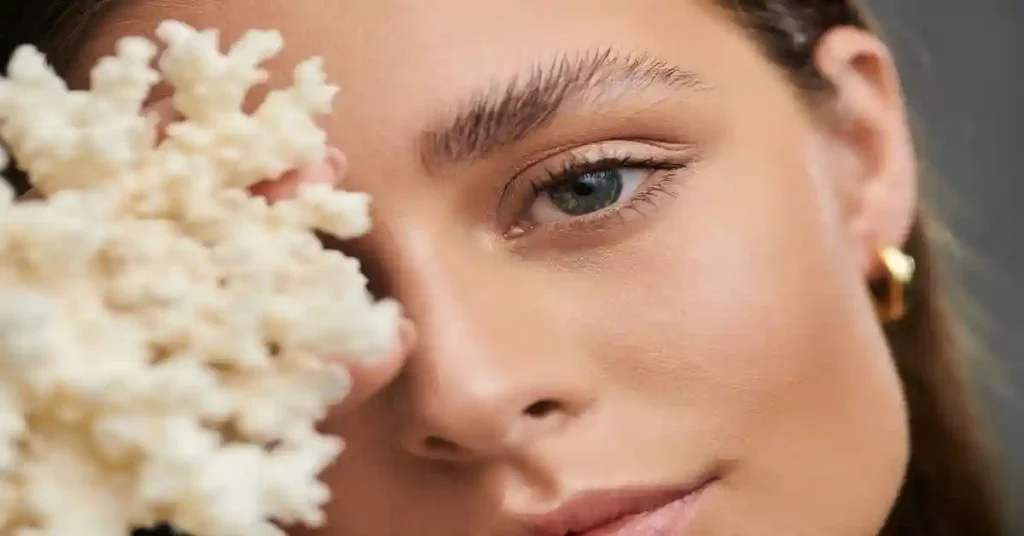
tration of the morning eyebrow routine. You stand in front of the mirror with a spoolie brush and a tube of clear gel, trying desperately to glue your brow hairs into that trendy, upright shape. For a few hours, they look great, but by lunch, the gel has flaked, turned white, or simply given up, leaving your brows looking messy again. It is a daily battle against gravity and stubborn hair texture that feels impossible to win. This is exactly why brow lamination has exploded in popularity, offering a semi-permanent solution that promises to wake up with perfect brows every single day.
Often described as a “perm for your eyebrows,” this treatment chemically relaxes the hair structure so it can be manipulated into a new, desired shape. It smooths out unruly textures and covers sparse gaps, giving the illusion of significantly fuller brows without needles or ink. But before you book an appointment and drop the cash, the most pressing question on everyone’s mind is simple: how long does it actually last? While the standard answer from most estheticians is a window of four to eight weeks, the reality is a bit more nuanced. The longevity of your fresh look depends entirely on your unique biology, your skincare routine, and how well you follow the rules.
The Realistic Timeline: From Fresh to Faded
When you leave the salon, your brows look incredibly sleek, almost as if they are wet or glued flat against your forehead. This is the initial “sleek” phase, covering weeks one through three, where the chemical bonds are freshest and the hold is strongest. During this time, the hairs are very obedient and require almost no effort to style; they simply stay where they are put. It is the most dramatic part of the cycle, and for some, it can initially feel a bit intense until the hairs settle slightly off the skin.
As you move into weeks four through six, you enter what many consider the “sweet spot” or the “fluffy” phase. The intense, flat look begins to soften as the hair regains a tiny bit of its natural resistance, lifting slightly from the skin to look more three-dimensional. They are still very manageable and easy to brush up, but they look much more natural and less “done” than they did in the first week. This is usually the period where people receive the most compliments because the brows look effortlessly full rather than chemically processed.
By the time you hit weeks seven and eight, you are in the fade-out period where the effects of the brow lamination become less noticeable. You might find that you need to use a bit of brow gel again to hold them in place, or that the hairs are starting to curl back in their original direction. This isn’t a sign that the treatment failed; it is simply the natural conclusion of the chemical cycle. The hairs are returning to their baseline texture, or they are being replaced by new growth that has never been treated.
The Impact of Natural Shedding Cycles
To understand why the treatment fades, you have to understand the biology of hair growth. Your eyebrows are not static; they are constantly cycling through growth phases known as Anagen (growth), Catagen (transition), and Telogen (resting). Every single hair on your body is on its own independent clock, which prevents us from losing all our hair at once. The chemical solution used in lamination affects the structure of the existing hair, but it cannot change the DNA of the new hair growing in behind it.
On average, a person sheds a few brow hairs every single day without even noticing it. Over the course of two months, a significant portion of your treated hairs will naturally fall out to make room for new growth. These new hairs emerge with your natural texture, whether that is curly, straight, or downward-pointing. As time goes on, you end up with a mix of laminated hairs and untreated virgin hairs. This mixture creates a texture difference that makes the lamination look like it is wearing off, when in reality, it is simply growing out.
Biological Factors That Influence Longevity
You might notice that your best friend’s lamination lasts a solid two months while yours seems to disappear after four weeks. This discrepancy is usually due to hair thickness and porosity, which dictates how well the chemical solution penetrates and holds. Coarse, thick brow hairs are stubborn; they often resist the chemical relaxer initially, requiring a longer processing time in the salon. However, once those strong bonds are broken and reset, thick hair tends to hold the new shape very well for a longer period because the structure is robust.
On the other hand, fine or thin hair takes to the solution very quickly, often processing in just a few minutes. While this makes the treatment fast, fine hair is also more delicate and can lose its structure faster as it lacks the internal “backbone” of coarse hair. Porosity also plays a huge role; high porosity hair drinks up product instantly but also releases it just as fast. If your hair is naturally porous, you might find the lamination takes beautifully but fades quicker than someone with low porosity, “water-resistant” hair.
Oily vs. Dry Skin Types
Your skin type acts as the environment in which your brows live, and it has a massive impact on the chemical bonds. People with oily skin produce an excess of sebum, a natural waxy substance that protects the skin. While sebum is great for anti-aging, it can be the enemy of brow lamination. The constant production of oil can penetrate the hair shaft over time, softening the chemical bonds and causing the brows to drop or revert to their natural shape faster than they would on dry skin.
If you have very oily skin, you might find that your treatment lifespan is closer to the four-week mark rather than eight. The excess oil essentially weighs the hair down and degrades the perm salts. To combat this, oily skin types might need to use blotting papers on their forehead throughout the day to keep the area dry. Conversely, dry skin types often enjoy longer results because there is less oil production to interfere with the hair structure, keeping the style crisp for longer.
The “Do Not Touch” Phase: Critical First 48 Hours
The longevity of your lamination is almost entirely determined in the first 48 hours after you leave the salon chair. During this window, the disulfide bonds in your hair—which were broken and reset—are still hardening and curing. Think of it like wet cement; if you touch it while it is drying, the impression stays there forever. If you get your brows wet, sleep on your face, or rub them during this critical period, you can permanently set them in a crooked or messy shape.
There is a strict “moisture ban” that must be followed religiously for two days. This means no washing your face with water, no steamy showers that create humidity, no sweaty gym sessions, and absolutely no heavy makeup or skincare products on the forehead. Even the steam from opening a dishwasher or a hot oven can introduce enough moisture to frizz the hair cuticle before it has sealed. If you violate this rule, the chemical process stops working, and the lift will drop immediately, wasting your money and time.
Daily Habits to Extend Your Look
A common misconception is that brow lamination is a “zero maintenance” treatment, but it is actually “low maintenance.” You cannot just wake up and do nothing; the hairs will look messy from sleeping on them. The treatment doesn’t glue them to your forehead permanently; it just makes them pliable. You still need to take a clean spoolie brush every morning and comb them into the desired vertical position. The difference is that now, they will actually stay there without needing a half-tube of heavy gel.
The Importance of Nightly Oiling
Since lamination is a chemical process similar to a hair perm, it can be drying to the delicate brow hairs. The chemicals open the cuticle to change the texture, which can lead to brittleness if moisture isn’t put back in. It is absolutely essential to incorporate a nourishing oil into your nightly routine to keep the hairs healthy and flexible. Oils like Castor oil, Argan oil, or a specialized brow serum are perfect for this task.
Apply a small amount of oil to the brows every night before bed, starting 48 hours after your appointment. This hydration prevents the hairs from becoming stiff, dry, or snapping off. Dry hairs look frizzy and unruly, which ruins the sleek aesthetic of the lamination. By keeping the hair conditioned, you ensure that the lamination looks glossy and fresh for the entire eight weeks. Think of it as using conditioner after shampoo; you wouldn’t skip it for your head hair, so don’t skip it for your brows.
Products to Avoid
To make your investment last, you need to be a label detective with your skincare products. Many common anti-aging and acne ingredients act as exfoliants that can strip the chemical treatment from the hair or irritate the processed skin. You should strictly avoid applying Retinols, Vitamin A, Alpha Hydroxy Acids (AHAs), and Beta Hydroxy Acids (BHAs) directly on or around the brow area. These strong actives can cause the hair to dry out rapidly and can alter the color of the tint if you had one applied.
Additionally, pay attention to your face wash and toner. High-alcohol toners can be incredibly drying and will strip the moisture right out of your freshly laminated brows. Opt for gentle, cream-based, or oil-free cleansers for the upper half of your face. When applying your powerful skincare serums, give your eyebrows a wide berth, leaving a “safety zone” around them to ensure the chemicals don’t migrate and degrade the lamination prematurely.
Knowing When to Re-Book vs. When to Wait
It can be tempting to book your next appointment the second you see a hair out of place, but patience is vital for brow health. Over-processing is a real risk; if you laminate too frequently, the ends of the hair can become “fried,” looking crinkled, zig-zagged, or even breaking off completely. The chemicals need time to fully exit the hair shaft, and the hair needs time to regain its structural integrity before being subjected to high-pH solutions again.
The general rule of thumb is to wait at least six to eight weeks between appointments. This waiting period allows your natural shedding cycle to replace some of the processed hairs with fresh ones. If you feel like your brows look messy around the five-week mark, resist the urge to re-laminate immediately. Instead, rely on a tinted brow gel or a brow soap to bridge the gap. This “in-between” phase is normal, and letting your brows breathe ensures they stay healthy enough to handle the next treatment beautifully.
Lamination vs. Microblading: Durability Comparison
It is important to manage expectations by understanding how brow lamination differs from other popular brow services like microblading. Microblading is a form of tattooing where pigment is implanted into the skin to mimic hair strokes. Because it involves the dermis, microblading lasts anywhere from one to three years. Lamination, however, is strictly a surface treatment for the hair itself; it does not involve needles or ink, which is why the duration is measured in weeks, not years.
Lamination is often the perfect entry point for someone who wants to improve their brow game but is terrified of the commitment or pain of a tattoo. It offers a way to “try on” a fuller, fluffier look with zero long-term risk. If you don’t like the results of a lamination, you only have to wait a month or two for it to grow out. It fades gracefully without leaving behind the discolored red or gray shadows that old microblading can sometimes leave.
Conclusion
While we would all love a beauty treatment that lasts forever, the six to eight-week lifespan of a brow lamination is the standard for a reason. It balances the desire for long-lasting results with the biological reality of hair health and growth cycles. Your personal timeline will depend on a mix of genetics, skin type, and how diligent you are with your aftercare routine. The “8-week fluff” is achievable, but you have to work for it.
Ultimately, brow lamination is one of the most effective non-invasive ways to instantly elevate your look. It frames the face, lifts the eyes, and shaves minutes off your morning makeup routine. If you are ready to ditch the crusty brow gel and wake up with runway-ready brows, the next step is to find a certified professional. Have them assess your hair type and walk you through the process, ensuring you get the best possible longevity for your specific brows.